
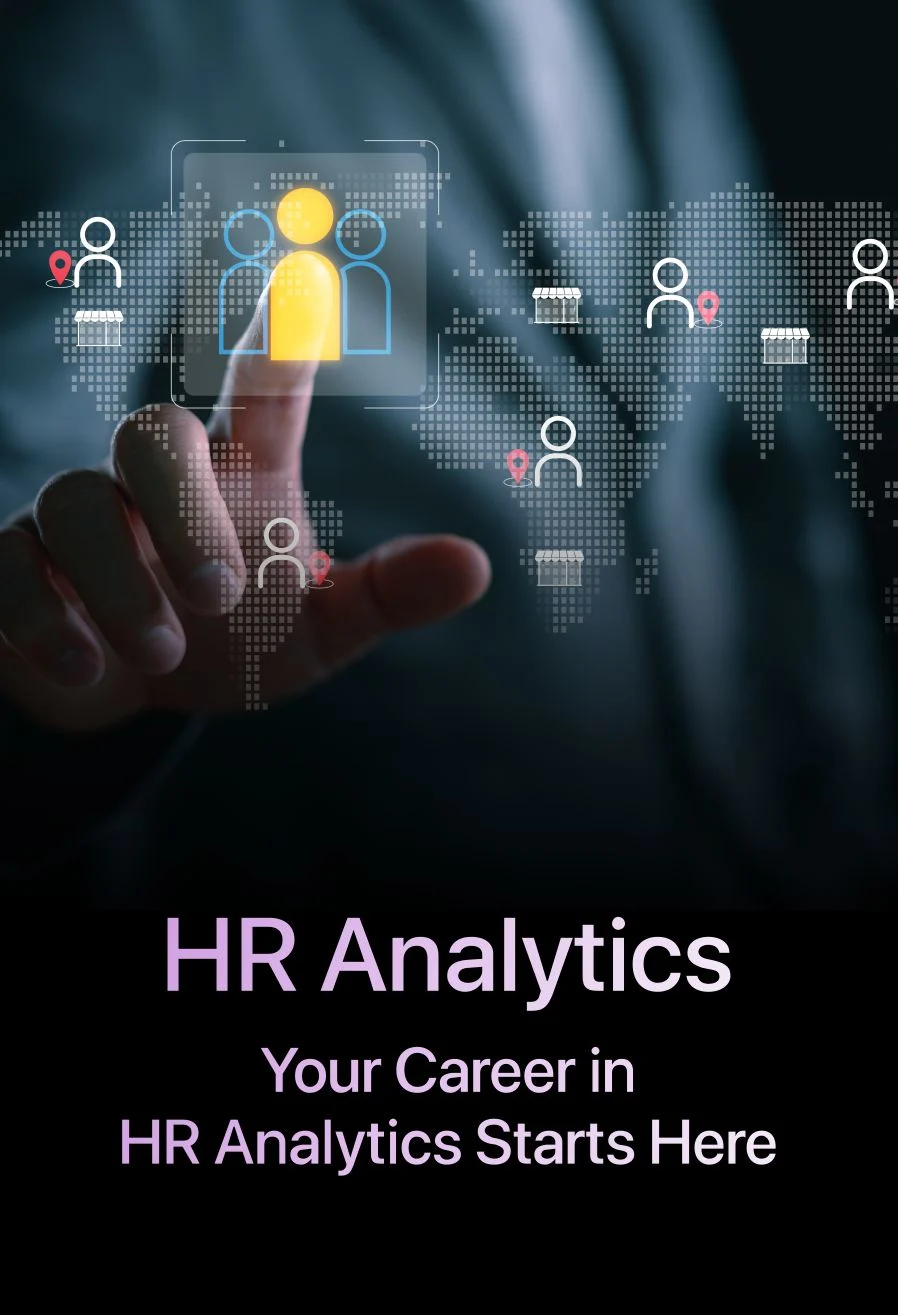
HR Analytics
Driving Workforce Intelligence Next-Gen HR Analytics at DGU
The modern corporate landscape has shifted from intuitive talent management to data-driven work force engineering. At DBS Global University, our Next-Gen HR Analytics program transforms human resource professionals from traditional administrators into strategic business partners. By combining behavioral science with advanced data analytics, our students learn to unlock insights that directly optimize organizational health, productivity, and profitability.
Our execution-focused curriculum ensures that students master the precise technical architectures required to build predictive talent models and manage global workforce ecosystems.
The DGU Enterprise Tech Stack
We eliminate the gap between standard HR theory and high-level enterprise intelligence. Our curriculum provides deep, practical expertise across the primary data engineering and business intelligence tools defining the future of human resources.
Data Extraction and Workflow Automation via Alteryx
Students begin by conquering data fragmentation. Using Alteryx, they learn to automate complex HR data preparation pipelines, seamlessly blending disparate datasets—such as payroll records, recruitment funnels, and performance logs—without writing manual code.
Predictive Workforce Modeling with Python
The curriculum shifts to advanced statistical forecasting. Students leverage Python libraries to build predictive models targeting critical workforce metrics, tracking talent acquisition conversion rates, measuring employee velocity, and modeling attrition risks before they impact the bottom line.
Executive Dashboards in Tableau and Power BI
Raw intelligence must be translated into corporate strategy. Students master data visualization and storytelling across both Tableau and Power BI, building real-time, interactive workforce dashboards that enable executive leadership to make rapid, evidence-based talent decisions.
Strategic Applications Covered in the Program
100% Analytical Precision: Our technical approach ensures that curriculum delivery treats human capital as a core business driver, focusing heavily on operational metrics, talent optimization, and cost-of-turnover reductions.
Talent Acquisition Funnels
Track recruitment metrics, analyze channel efficiency, and optimize the cost-per-hire across decentralized corporate structures.
Performance Velocity and Engagement
Quantify workforce productivity, map employee lifecycle touchpoints, and deploy pulse survey analytics to evaluate organizational sentiment.
Predictive Retention Planning
Use machine learning frameworks to identify early flight-risk indicators, allowing HR leaders to implement proactive retention strategies.
Ready to engineer the future of workforce strategy?
Discover how our technology-driven HR Analytics specialization equips you with the advanced analytical skills needed to lead data-backed talent operations globally.
Overview
Overall, HR Analytics empowers organizations to make more informed, data-driven decisions about their workforce, leading to improved business outcomes, employee satisfaction, and organizational effectiveness.
Advantage @DGU
Level & Duration
Level
Certificate

Duration
1 Year

Placements
Enjoy Everyday while Ensuring Great Career










Thanks to DGU’s mock interviews, value‑added courses, and hands‑on projects I developed confidence, communication skills and real-world business sense. The practical exposure and industry-aligned learning helped me step into Indigo Paints Limited ready to perform and grow.

From engaging campus activities to hands-on projects, DGU made learning practical and exciting. This experience helped me step into Reliance Retail ready to make an impact.

One thing that really helped me during the placement season was the confidence I gained from the mock sessions. My professors pointed out mistakes I hadn’t even realized I was making and gave me valuable tips that made the process smoother. This foundation prepared me well for my role at Asian Paints Ltd.

The mix of interactive learning, practical projects, and expert guidance shaped my skills effectively. It gave me the confidence to start my professional journey with Tech Mahindra.

Hands-on learning, value-added courses, and supportive faculty prepared me for real-world challenges. These experiences helped me confidently join Hafele India Pvt Ltd and contribute from day one.

DBS Global University’s rigorous learning environment and hands-on experiences challenged me to grow constantly. This preparation gave me the confidence and skills to step into Grant Thornton Bharat LLP with readiness.

DBS Global University’s competitive and dynamic environment pushed me to perform at my best every day. This energy, combined with practical learning and guidance from faculty, helped me secure my role at MyGetWellStore.

At DBS Global University, engaging in practical projects and hands-on learning enhanced my skills and confidence, equipping me to step into my role at Phronesis Partners with clear direction and focus.

DGU helped me grow into someone who can take on challenges with confidence and clarity. My placement at Extramarks Education feels like the right step toward building a meaningful career.

DGU shaped my skills through constant guidance, practical exposure, and a supportive environment. Getting placed at High Beam Global feels like a strong beginning to my professional journey.















































































































































































































































































Global Learning & Study Abroad Pathways
International Opportunities for Global Career Readiness
DBS Global University provides students with a wide range of opportunities to gain international exposure and enrich their academic journey through global learning experiences that combine international academics, industry exposure, and cross-cultural engagement. Through a strong network of 50+ academic partnerships across 20+ countries, the University offers multiple international pathways including Global Immersion Programs, Month Mobility Programs, Semester Abroad Programs with Credit Transfer, Articulation and Transfer Programs, Dual Degree Programs, and Global Progression Pathways. In addition to these mobility opportunities, students also benefit from international guest lectures, global masterclasses, academic bootcamps, and international events, delivered in collaboration with partner universities and global industry experts.