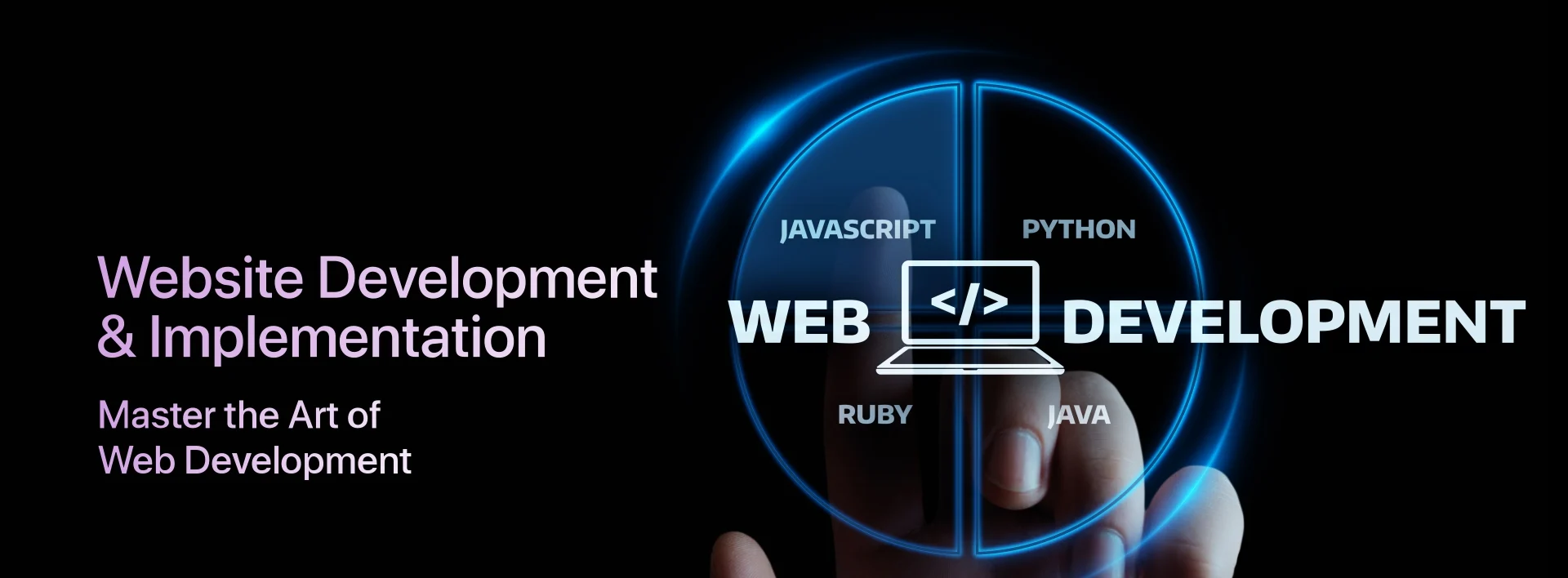
Website Development & Implementation
Building the Next Generation of Digital Storefronts: E-Commerce at DGU
The global digital marketplace is a complex ecosystem of real-time cloud architecture, dynamic user interfaces, secure payment funnels, and automated supply chains. At DBS Global University, mastering this space means moving far beyond the pages of a textbook.
Our specialized training program ensures students don't just study the theory of digital business — they build it from scratch.
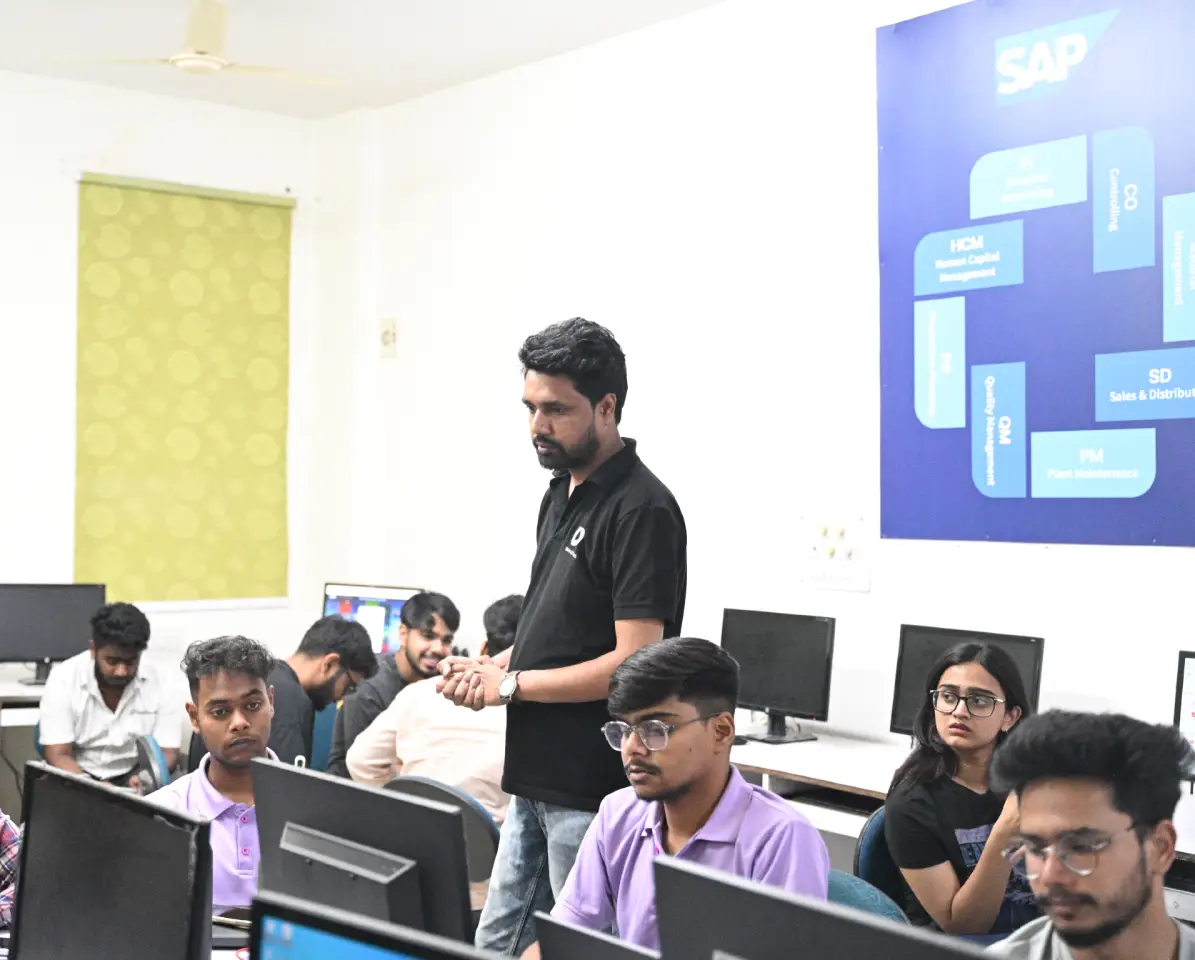
The DGU Edge
Complete experiential learning
We break down the wall between classroom concepts and live deployment. Every student transitions from a consumer of digital platforms to a creator of architecture.
Phase 1
Core Architecture & Interface Design
Students dissect front-end user experiences, map consumer journeys, and understand the core tech stacks that anchor scalable online marketplaces.
Phase 2
Industry-Led Deep Dives
Top-tier executives and tech leads lead intense technical modules covering API integrations, payment gateways, and inventory algorithms — live-market nitty-gritty.
Phase 3
End-to-End Platform Engineering
Under direct industry mentorship, students take full-stack responsibility — designing, developing, testing, and deploying entire functional e-commerce platforms.
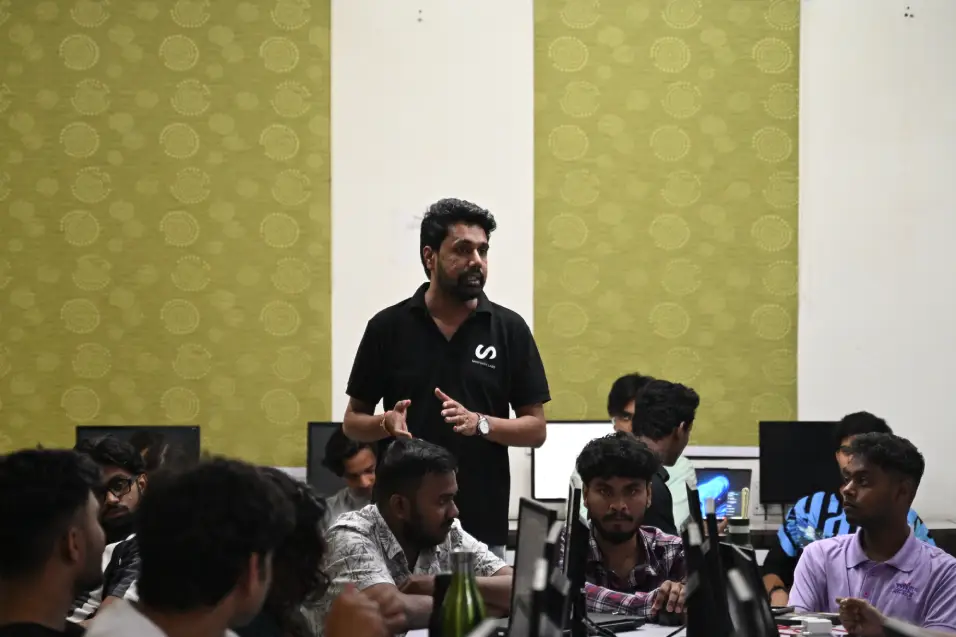
Why this program changes the game
100% execution-focused
Curriculum delivery covers structural design, high-volume data handling, and technical troubleshooting — not just managing an online shop.
Direct industry delivery
Learn from specialists who scale platforms daily. Industry experts bring real-world challenges, live case studies, and proprietary workflows straight to the lab.
Ready for the future skills economy
Graduates step into the corporate arena fully prepared to lead digital transformation roles, manage supply chains, and optimize conversion metrics from day one.
Ready to engineer the future of retail?
Discover how our technology-driven business specialization equips you with the agile skills needed to excel in the global digital landscape.
Overview
Planning
Design
Development
Content Management System (CMS)
If applicable, integrate a CMS like WordPress, Joomla, or Drupal to facilitate content creation, editing, and management.
Testing
Deployment
Post-Launch
Maintenance
Additional Considerations
Website development is a dynamic process that requires collaboration between designers, developers, and stakeholders. Staying current with industry trends and user expectations is essential for creating successful and user-friendly websites.
Advantage @DGU
Level & Duration
Level
Certificate

Duration
1 Year

Placements
Enjoy Everyday while Ensuring Great Career










Thanks to DGU’s mock interviews, value‑added courses, and hands‑on projects I developed confidence, communication skills and real-world business sense. The practical exposure and industry-aligned learning helped me step into Indigo Paints Limited ready to perform and grow.

From engaging campus activities to hands-on projects, DGU made learning practical and exciting. This experience helped me step into Reliance Retail ready to make an impact.

One thing that really helped me during the placement season was the confidence I gained from the mock sessions. My professors pointed out mistakes I hadn’t even realized I was making and gave me valuable tips that made the process smoother. This foundation prepared me well for my role at Asian Paints Ltd.

The mix of interactive learning, practical projects, and expert guidance shaped my skills effectively. It gave me the confidence to start my professional journey with Tech Mahindra.

Hands-on learning, value-added courses, and supportive faculty prepared me for real-world challenges. These experiences helped me confidently join Hafele India Pvt Ltd and contribute from day one.

DBS Global University’s rigorous learning environment and hands-on experiences challenged me to grow constantly. This preparation gave me the confidence and skills to step into Grant Thornton Bharat LLP with readiness.

DBS Global University’s competitive and dynamic environment pushed me to perform at my best every day. This energy, combined with practical learning and guidance from faculty, helped me secure my role at MyGetWellStore.

At DBS Global University, engaging in practical projects and hands-on learning enhanced my skills and confidence, equipping me to step into my role at Phronesis Partners with clear direction and focus.

DGU helped me grow into someone who can take on challenges with confidence and clarity. My placement at Extramarks Education feels like the right step toward building a meaningful career.

DGU shaped my skills through constant guidance, practical exposure, and a supportive environment. Getting placed at High Beam Global feels like a strong beginning to my professional journey.






















































































































































































































































































Global Learning & Study Abroad Pathways
International Opportunities for Global Career Readiness
DBS Global University provides students with a wide range of opportunities to gain international exposure and enrich their academic journey through global learning experiences that combine international academics, industry exposure, and cross-cultural engagement. Through a strong network of 50+ academic partnerships across 20+ countries, the University offers multiple international pathways including Global Immersion Programs, Month Mobility Programs, Semester Abroad Programs with Credit Transfer, Articulation and Transfer Programs, Dual Degree Programs, and Global Progression Pathways. In addition to these mobility opportunities, students also benefit from international guest lectures, global masterclasses, academic bootcamps, and international events, delivered in collaboration with partner universities and global industry experts.