









.gif)





























































.webp)
















.webp)







Center for Excellence





Introduction
DBS Global University (DGU) envisions becoming centrefor excellence in research, innovation, and societal development. In alignment with India’s vision of 'Viksit Bharat 2047' and the National Education Policy (NEP) 2020, the University has established interdisciplinary research centres. These centres will focus on emerging domains critical to technological progress, sustainable agriculture, healthcare innovation, and management practices aligned with national missions. Each centre will contribute uniquely to India’s evolving research ecosystem, from robotics and quantum logic to agriculture and healthcare, creating a synergistic model for academic excellence, entrepreneurship, and national growth.
The establishment of these research centres is intended to position DBS Global University as a forward-looking institution fostering innovation, technology leadership, and sustainable development.
Objectives
- Promote advanced research and innovation in emerging and applied domains.
- Foster interdisciplinary collaboration between science, engineering, management, and social sciences.
- Build partnerships with government bodies, industries, and research organizations.
- Generate intellectual property, patents, and technology transfer outcomes.
- Contribute to national development goals through research, training, and outreach.
Focus Areas
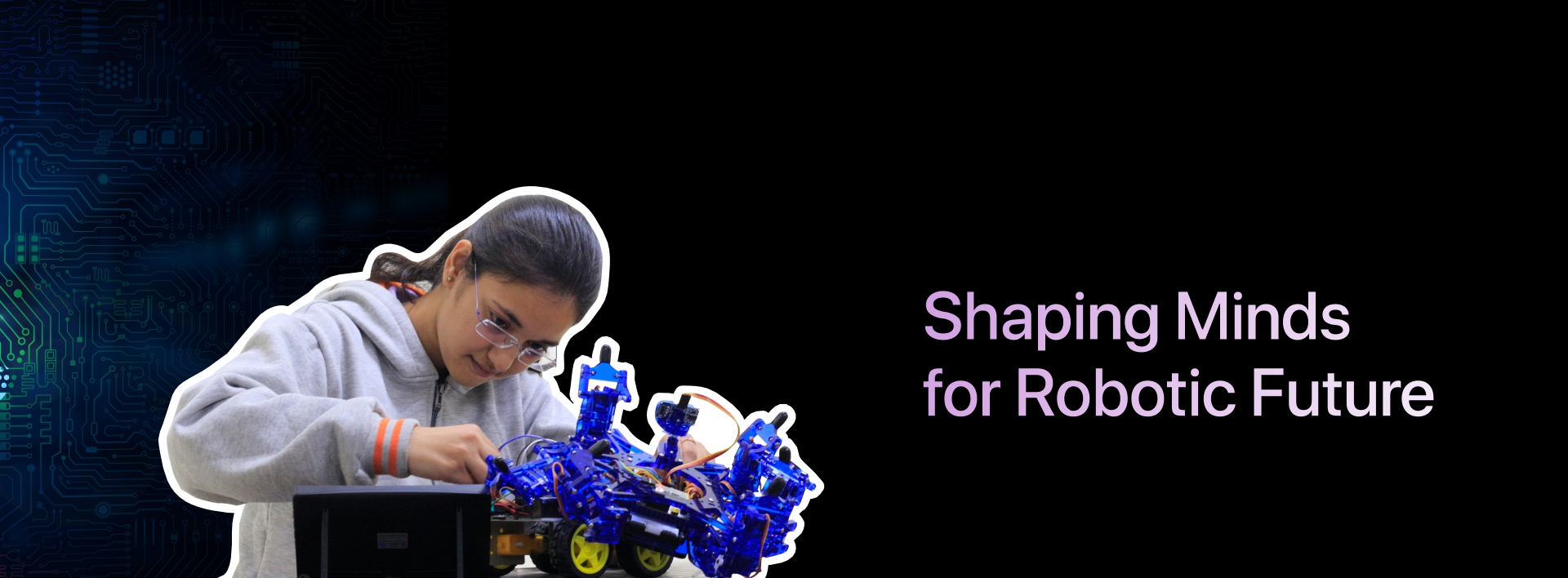
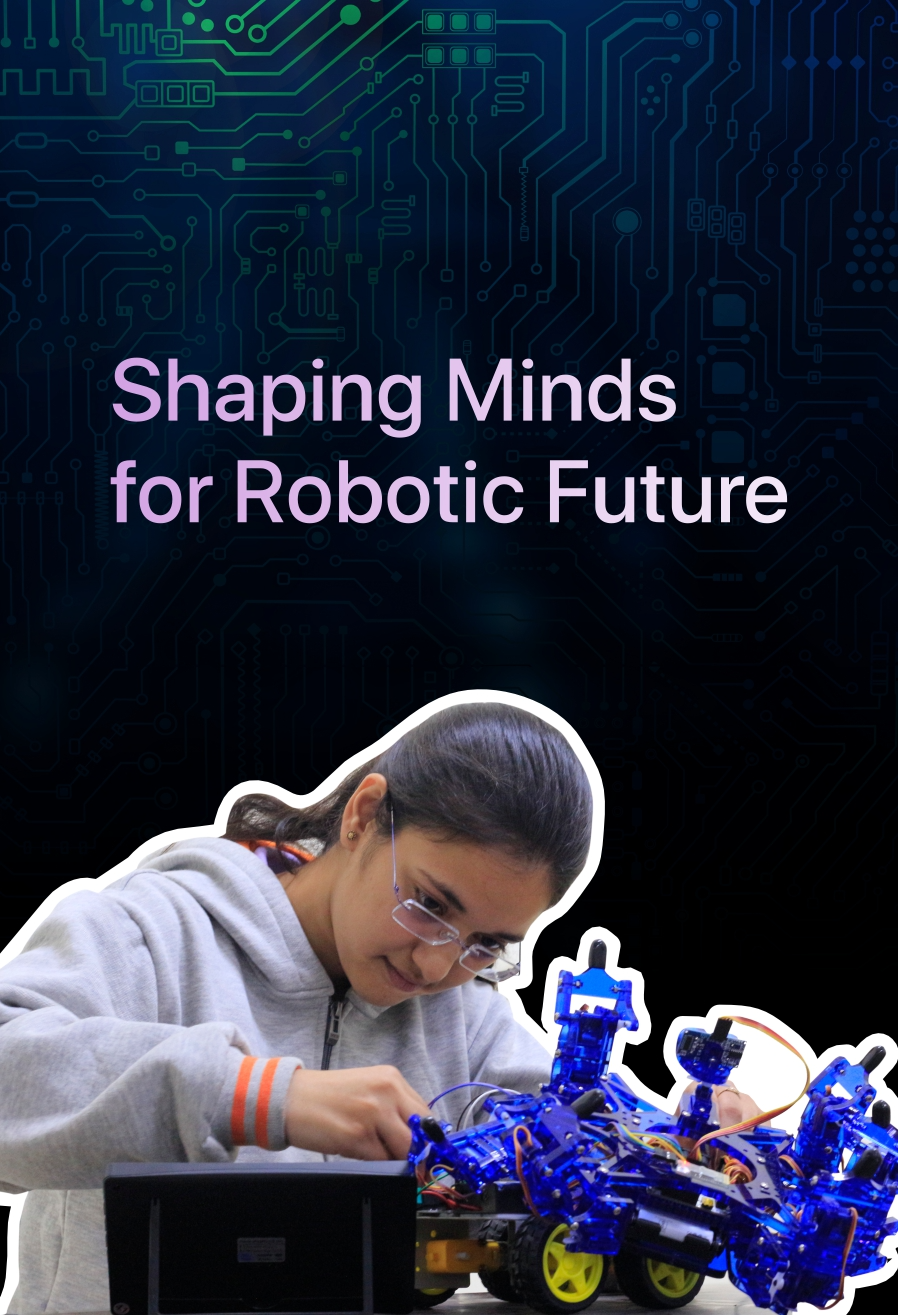
- Autonomous Drones & Aerial Intelligence
- Industrial Robotics & Automation
- Human-Robot Interaction.
- Indigenous Low-Cost Automation
Faculty Team

Dr. Manish Prateek
Professor (CSE)
Key Applications
Agriculture | Defence | Logistics | Disaster Management
Ongoing Research
Focus Areas
- AI Strategy, Governance & Public Policy
- Applied AI, Analytics & Decision Intelligence
- AI in Teaching, Research & Academic Integrity
Flagship Programs
- AI Awareness for Leaders
- Applied AI Bootcamps
- Certified AI Champions Program
Faculty Team

Dr. Puneet Kumar
Associate Professor
Business Analytics
Ongoing Research
Focus Areas
- Equity Research & Portfolio Analytics
- Fintech Innovation (Blockchain, Digital Finance)
- AI in Financial Markets & Risk Analytics
Facilities
- Trading Lab
- Real-time Market Data Platforms
Focus Areas
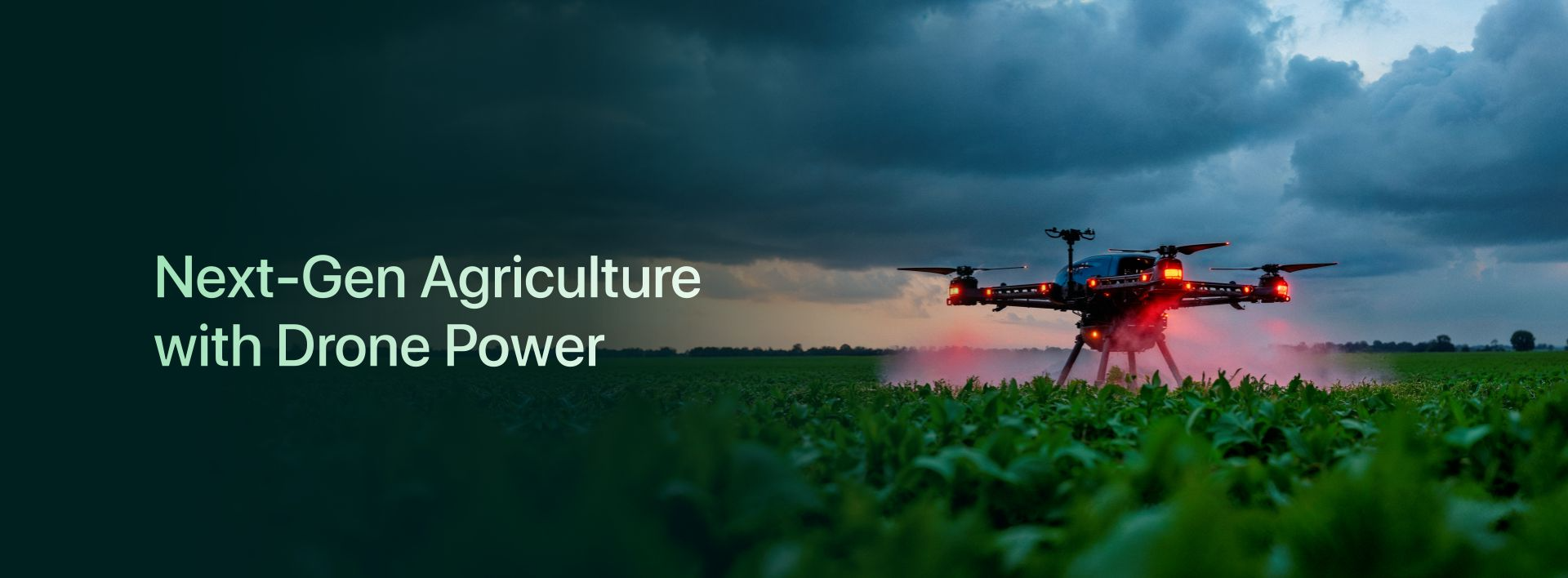
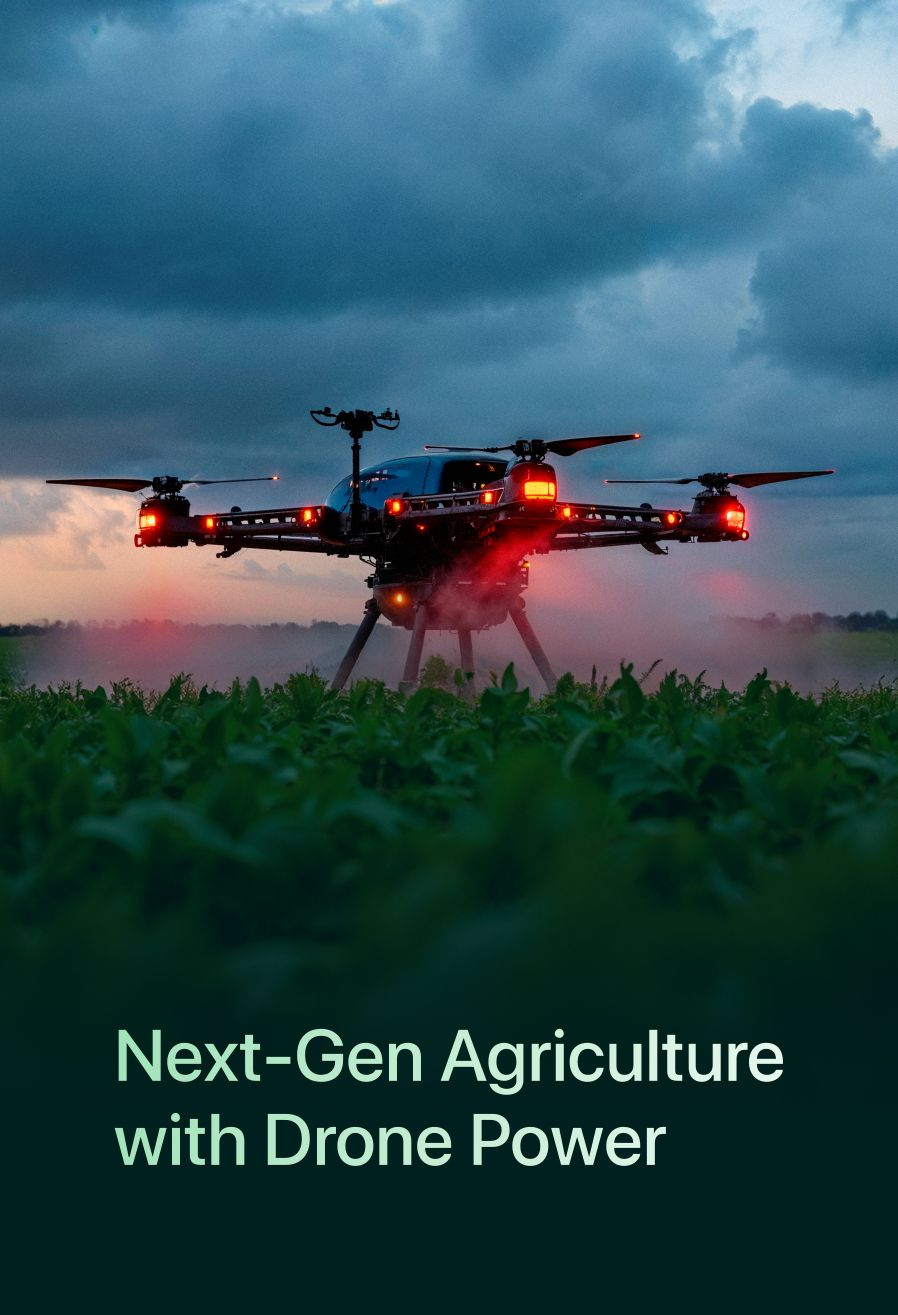
- Precision Agriculture using AI & IoT
- Drone-based Crop Monitoring
- Climate-Resilient Farming
- Agri Supply Chain Optimization
Faculty Team

Dr. Shweta Nawani
Associate Professor
Ongoing Research
Focus Areas
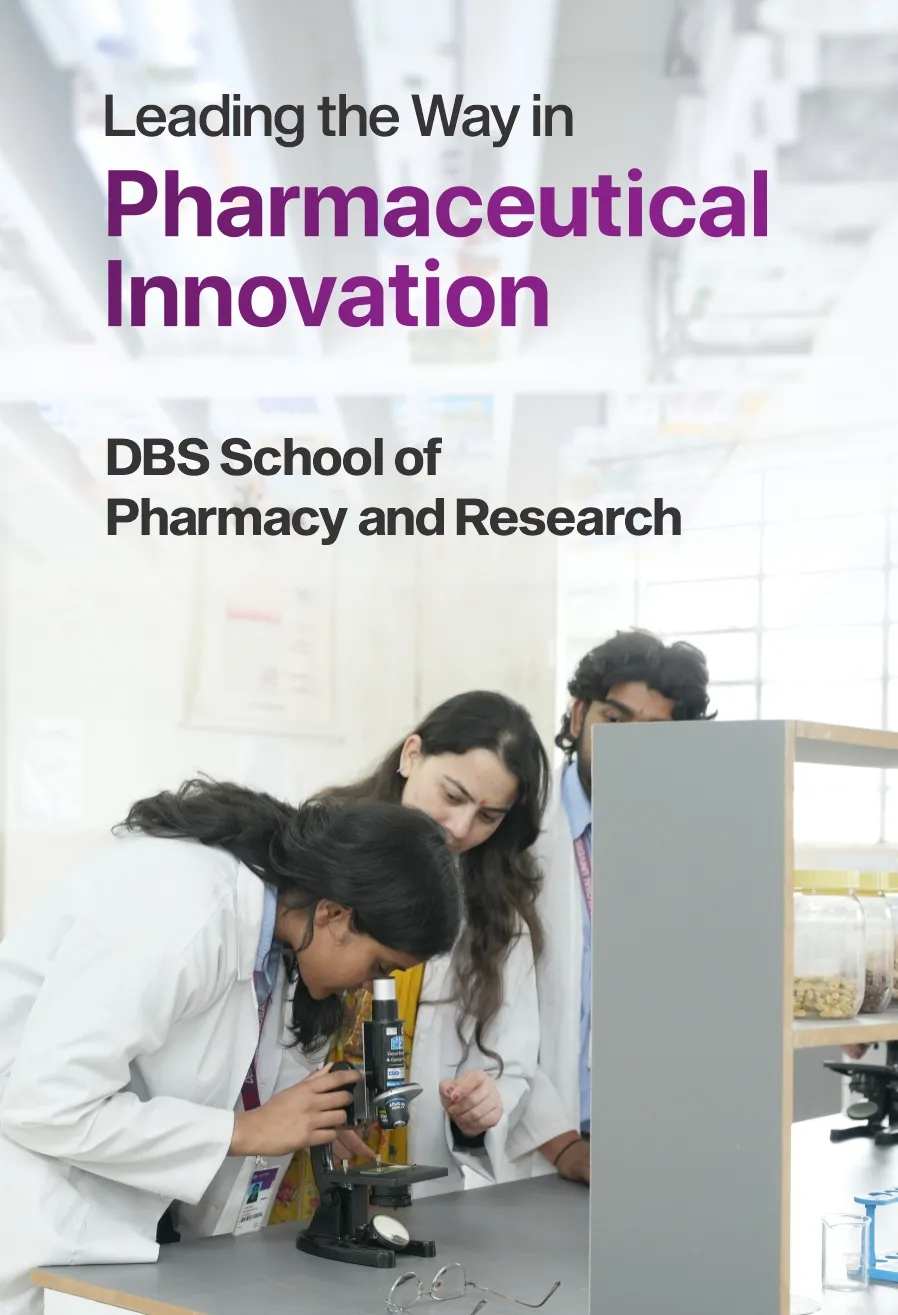
- Drug Discovery & Herbal Medicine
- AI in Healthcare & Diagnostics
- Bioinformatics & Molecular Modeling
- Personalized Medicine
Faculty Team

Dr. Yogendr Bahuguna
Professor
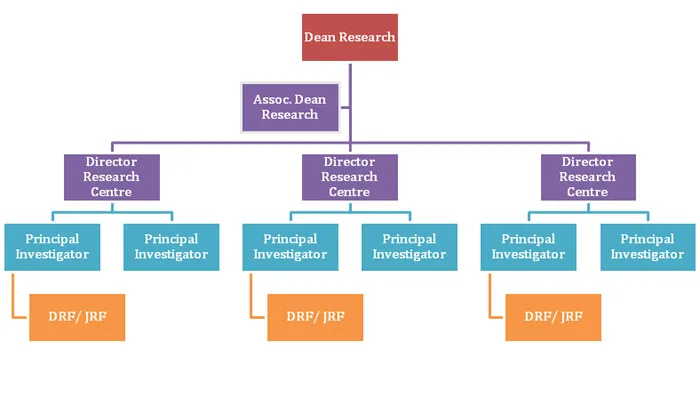
Governance and Structure
Expected Outcomes
- Publications in high-impact journals and conferences.
- Patents and technology transfers.
- Funded projects from DST, DRDO, DBT, ICAR, and industries.
- Skill-based programs and incubation start-ups.
- Contribution to regional and national sustainable development goals.
Last updated: 23 May, 2026
